
Opening and Closing a Pool: the Order
Updated
At a glance
Opening and closing both follow the same shape: clear debris and run the filter before touching chemistry, then balance readings in a published order, and only then chlorinate for the season ahead or behind. This page covers that sequencing, not the separate job of protecting pipes and equipment from freezing.
- Do the arithmetic
- Pool chemical calculator Open the pool chemical calculator
- Sources
Checked on ; next check .
- Free Available Chlorine
- total alkalinity
- pH
- cyanuric acid – outdoor pools
- total hardness
On this page
This page is about order, not procedure: what to check and balance first, second and last when a pool comes out of winter or goes into it, so you're not chasing a chlorine reading in water that's still cloudy with last season's leaves. It does not cover protecting pipes, plumbing and equipment from freezing — that's a separate job with its own manufacturer instructions for your specific filter, heater and lines, and this page leaves it alone.
Opening: clear, then circulate, then chlorinate
Michigan State University Extension's manual, written for pool operators, opens its own checklist the same way a home pool should: the first step, once the cover comes off, is removing every leaf and piece of debris from the water. Whatever accumulated over the closed season needs to come out mechanically — netted, vacuumed, brushed off the walls — before any chemical does useful work, because chlorine spent breaking down organic debris is chlorine not available for anything else.
Debris out, the next step is circulation, not chemistry. The same manual keeps the pump and filter running well past the point the water looks clean, holding off on testing until the water is visibly clear of debris. A test taken while the water is still hazy from a winter's worth of settled dirt is a test of water that is about to change on its own, chlorine demand included.
Only once the water is circulating clear does chlorine go back in as more than a top-up. The same manual describes an opening dose sized to burn off what's left, not to hold a steady level: bringing the chlorine residual up to at least 5 ppm to burn off whatever debris is still in the water, well above the everyday target this site's tools check a reading against. That figure is one manual's own opening practice, not a published range this site checks a reading against — treat it as a description of what an opening dose is for, not a target to hit every week. From there, balancing settles into the order the chemical calculator already follows — the Indiana Department of Health's sheet lists it as "(1) Free Available Chlorine, (2) total alkalinity, (3) pH, (4) cyanuric acid – outdoor pools, and (5) total hardness" — free chlorine first, then the readings that decide how far each later dose will carry.
Closing: balance first, then clean, then cover
Closing reverses the emphasis but not the logic. A pool going into a season with nobody testing it benefits from sitting mid-range rather than at either edge: total alkalinity and pH inside their bands, cyanuric acid not already climbing toward a ceiling, and free chlorine raised enough to hold rather than left at whatever it happened to read that afternoon. The chemical calculator prices the whole set of moves in one form, and the pool chemistry log is a place to record the closing readings so next spring's opening test has something to compare against.
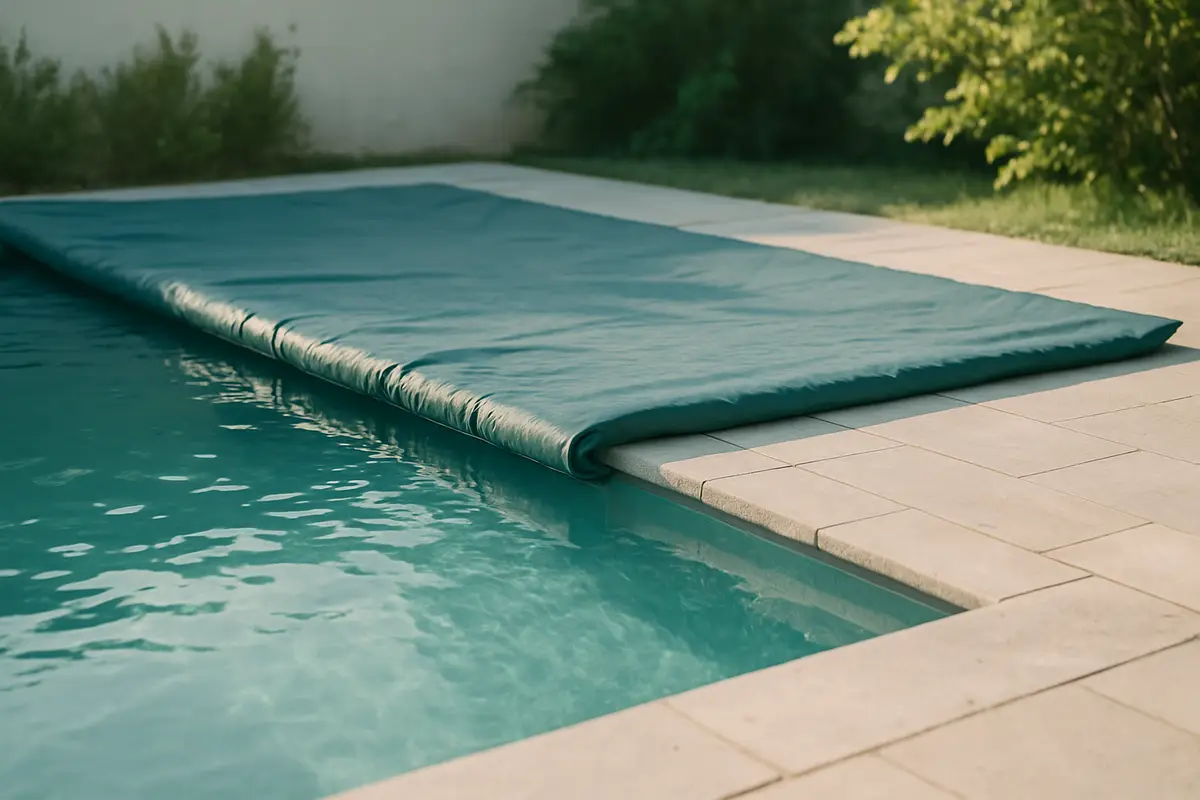
Debris removal belongs before the cover goes on, not after — a cover trapping a season's worth of leaves against still water does the opposite of what a cover is for. Brush the walls and steps, run the filter a full cycle to pull out what brushing loosens, and clean or backwash the filter itself so it isn't holding a summer's accumulated dirt through the months it sits idle.
What this page leaves to the manufacturer
Draining lines, protecting a pump or heater from a hard freeze, and the mechanics of what a specific filter needs before months of disuse are all equipment questions this page doesn't answer, because they depend on your climate and your equipment's own manual in a way a chemistry page can't generalize. What belongs here is the water: clear before you circulate, circulate before you chlorinate, and balance in the same published order whether you're opening the season or putting it away.
Sources (2)
Get new tools by email
When we add a tool to Pool Chemical Log, we'll send you one short email. Nothing else.